Life
Studies and scientific work
According to the Information Center’s biography, Hulda Regehr Clark was born in Canada and studied at the University of Saskatchewan. She earned her doctorate at the University of Minnesota in 1958.
Her scientific background must be distinguished from her later naturopathic ideas. An academic degree does not automatically validate the medical claims of a subsequently published program.
Consulting and independent publications
The legacy collection describes subsequent nutritional consulting and independent work. Clark’s subjects included parasites, environmental factors, herbs and electrical devices.
She published her ideas in books, including descriptions of her procedures and devices. The Information Center documents this development from the perspective of those around her.
Death and surviving collection
Clark died in 2009. Her publications and later contributions collected here continue to be read. Personal tributes and accounts of experience should remain identifiable as distinct types of document.
What she worked on
Clark combined herbal programs, electrical applications and environmental factors in her approach. She attributed a far-reaching role in disease to parasites and pollutants.
This describes her position. Her conclusions about disease are not presented here as generally established medical knowledge.
The collection explains her term “Self Health” as taking an independent interest in one’s health. Here it means reading and understanding her materials in context.
Books and sources
Titles listed in the books overview include “The Cure for All Cancers”, “The Cure for All Diseases” and the “Syncrometer Science Laboratory Manual”.
These titles document the author’s ambitions, not a guarantee of efficacy by this website. The existing overview lists further works, languages and editions.
Methods on this website
- Parasite cleanse: traditional herbal combination and historical structure.
- Clark Zapper: device concept, history and technical context.
- Cleansing programs: an introduction to liver, kidneys and bowel.
Clark’s Syncrometer, plate-zapping and other specialist subjects belong in the historical collection. Describing a device does not establish diagnostic accuracy or treatment success.
Understanding her historical significance
Clark’s work helps explain the methods named after her and how they spread. A respectful account identifies her positions and their context without equating personal tributes with answers to unresolved efficacy questions.
Frequently asked questions
Which texts are by Clark and which by the Information Center?
Books are identified as the author’s publications. Explanations, collections and experience reports on this site may be by others. Authorship and document type must therefore remain distinct.
Do disease-related book titles constitute medical evidence?
No. A title identifies the work and its original ambitions. Assessing specific medical claims requires additional evidence.
Further details from the earlier biography
The earlier article gives Rosthern, Saskatchewan, as her birthplace and October 18, 1928, as her birth date. It records a first degree in 1950, further studies including McGill University, and a doctorate in 1958. These details come from the Information Center biography; no additional or different academic specialization is asserted here.
The collection describes a nutritional consulting practice in the late 1960s and a move to full-time private consulting in 1974. Its mention of later naturopathic training should not be equated with a medical licence.
The earlier biography lists eight books, six related to cancer. This count describes that text and is not a bibliography distinguishing editions and languages. It names plate-zapping and homeography as later subjects. Earlier claims of stopped metastasis within 24 hours and superior Syncrometer diagnostic accuracy are not adopted as current facts.
The source records her death on September 3, 2009, in Chula Vista, California. Personal tributes and her circle’s perspective must be distinguished from scientific evidence.
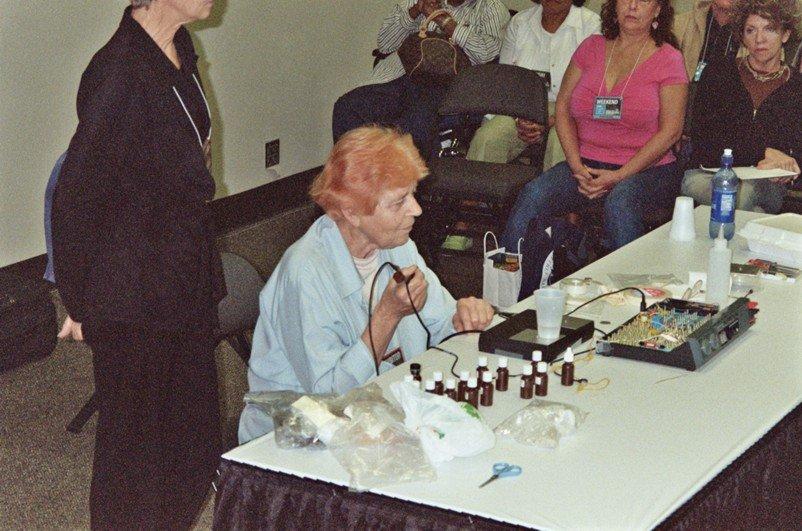
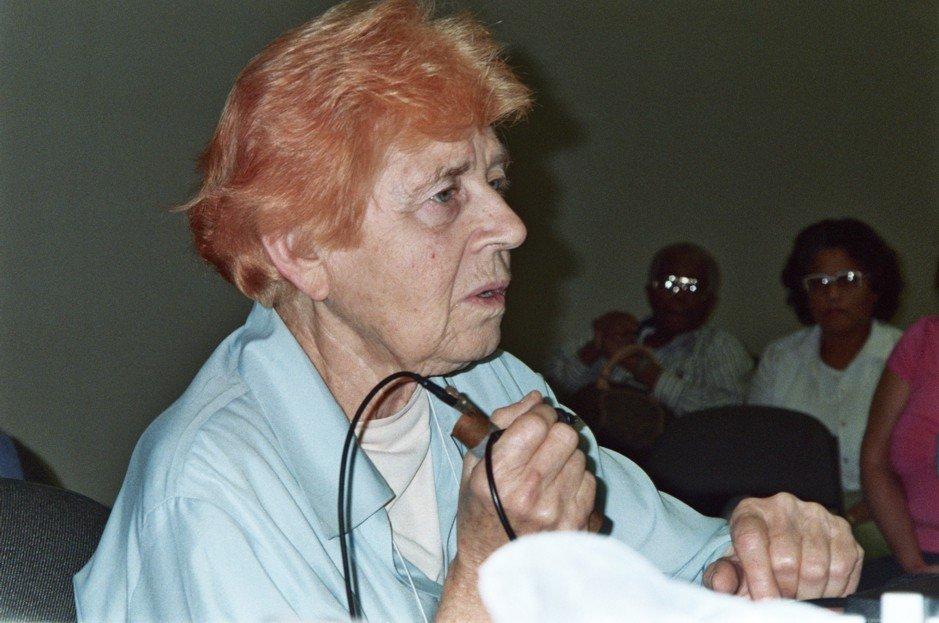
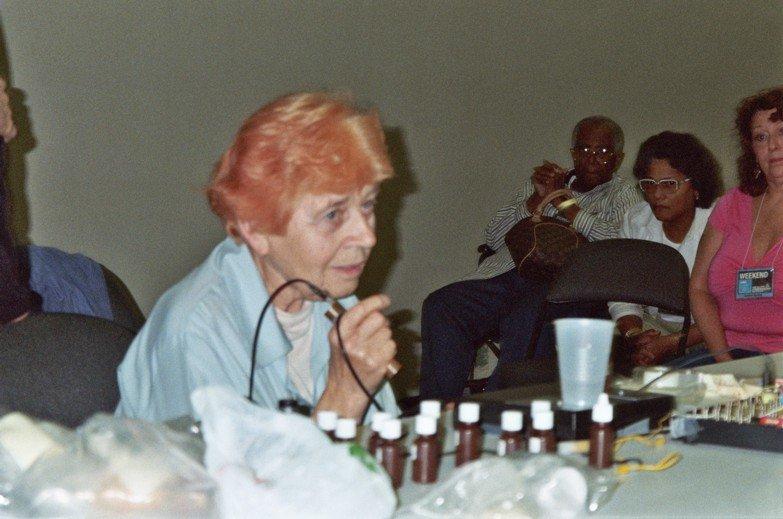
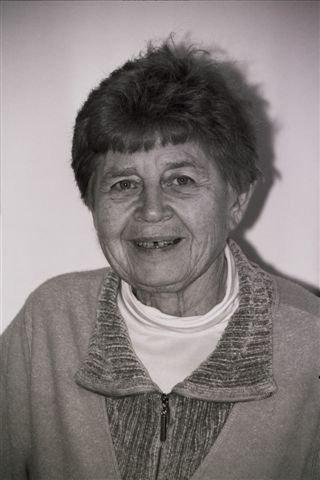
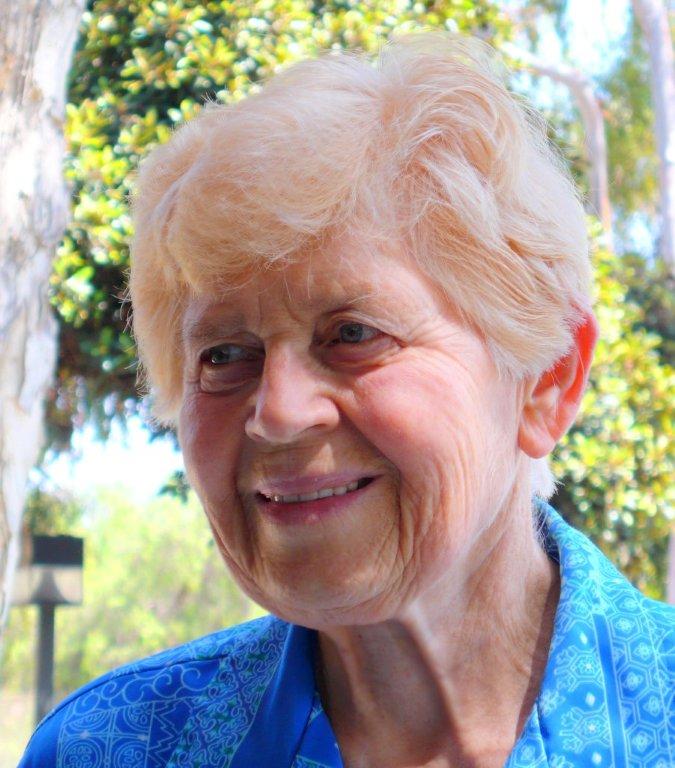
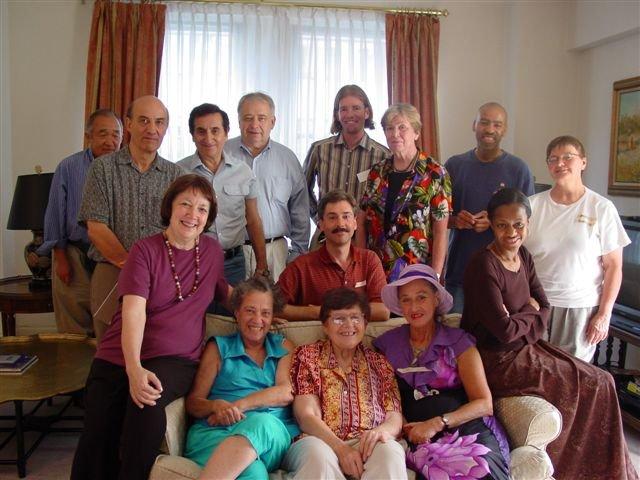
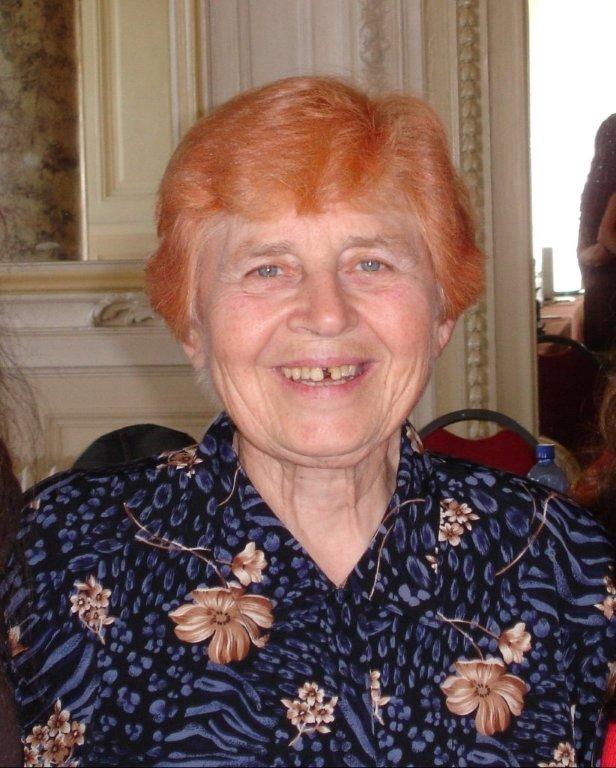
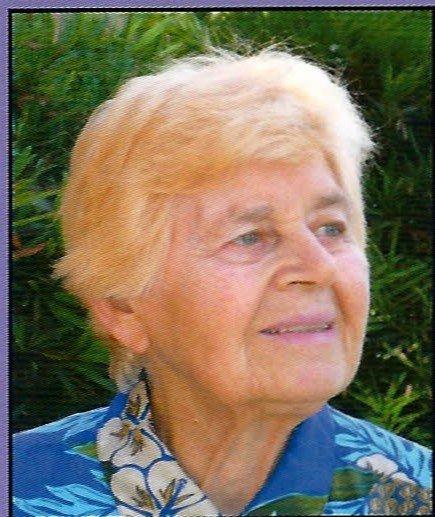
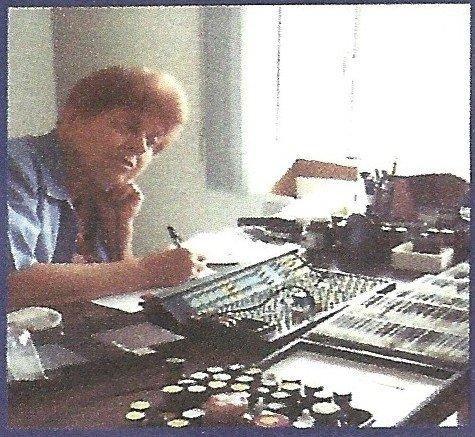
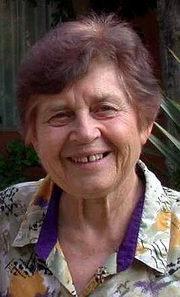
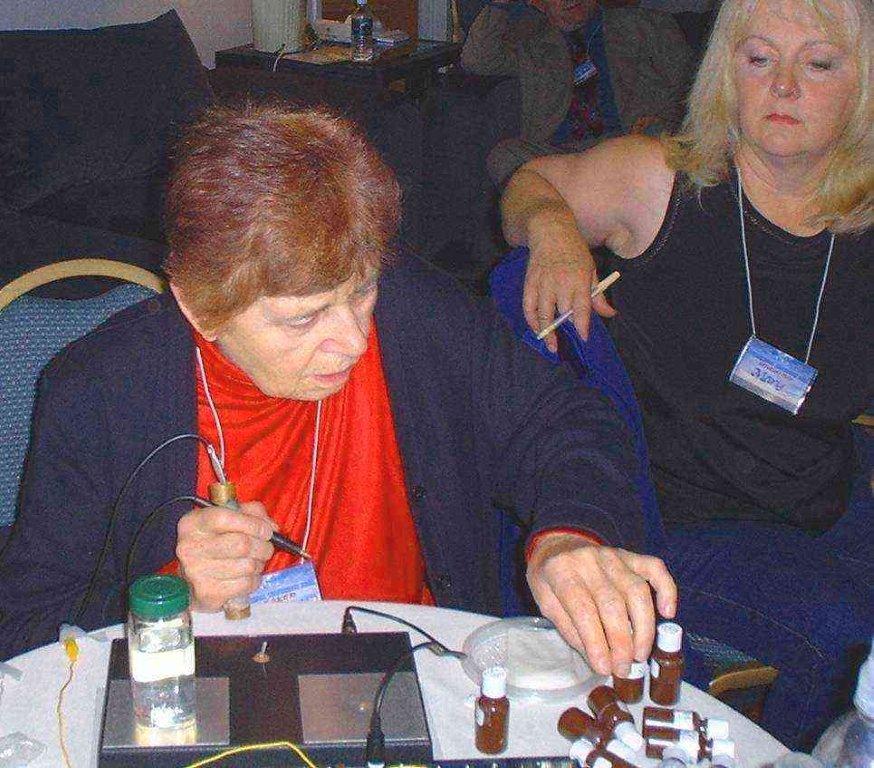
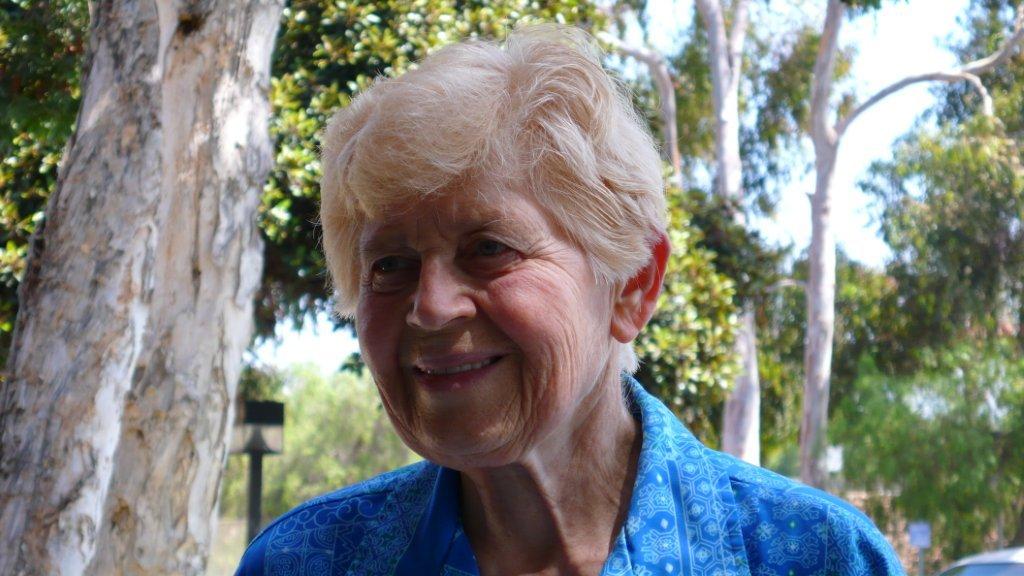
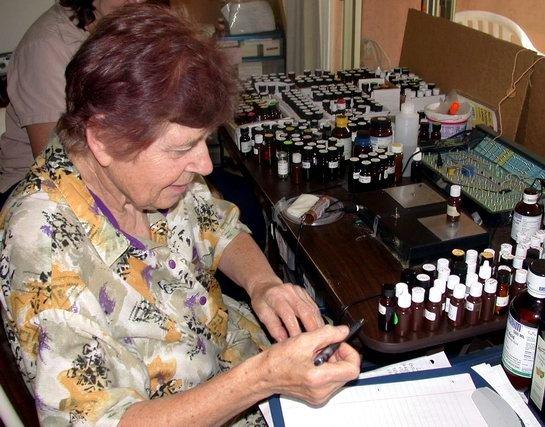
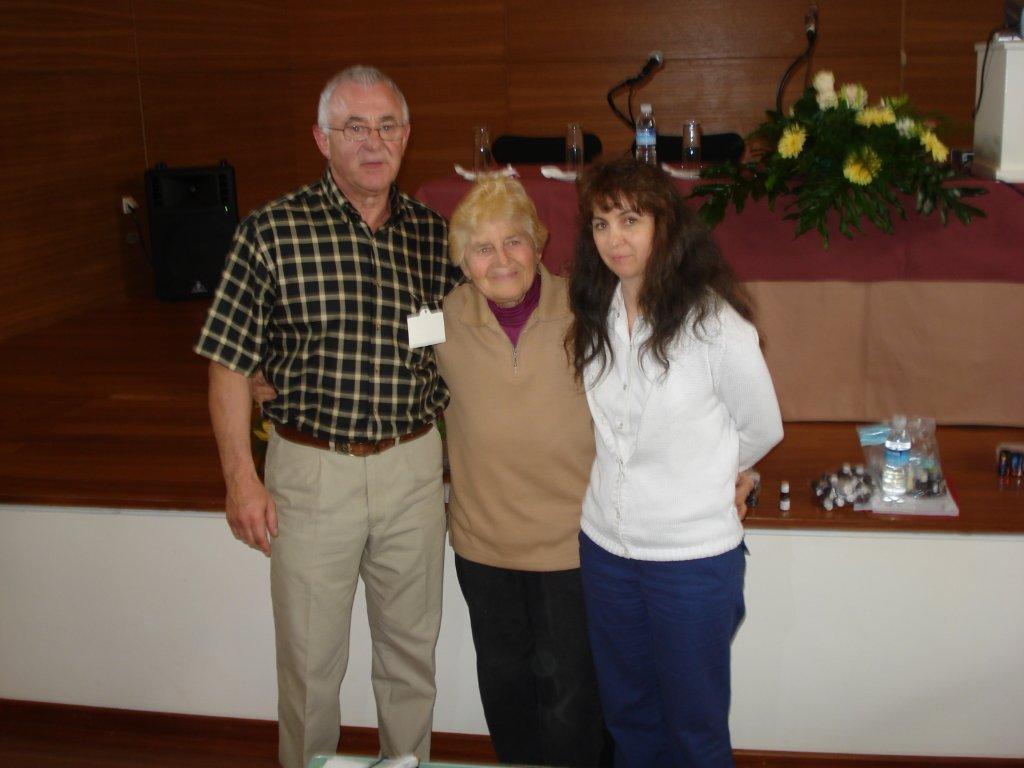
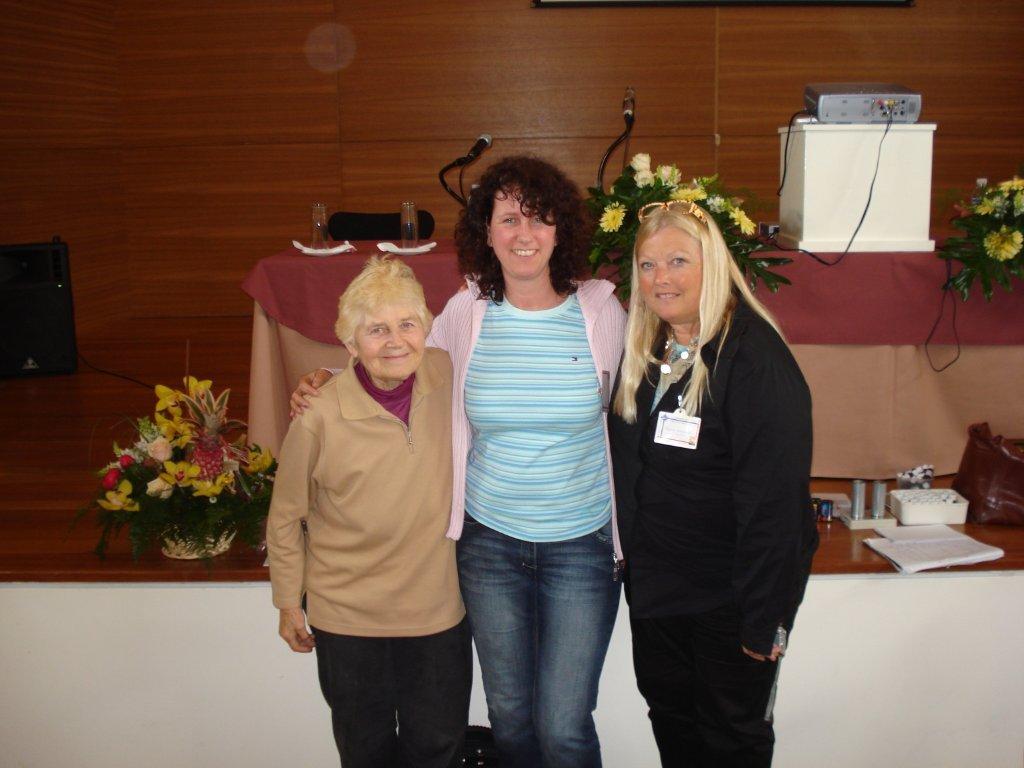
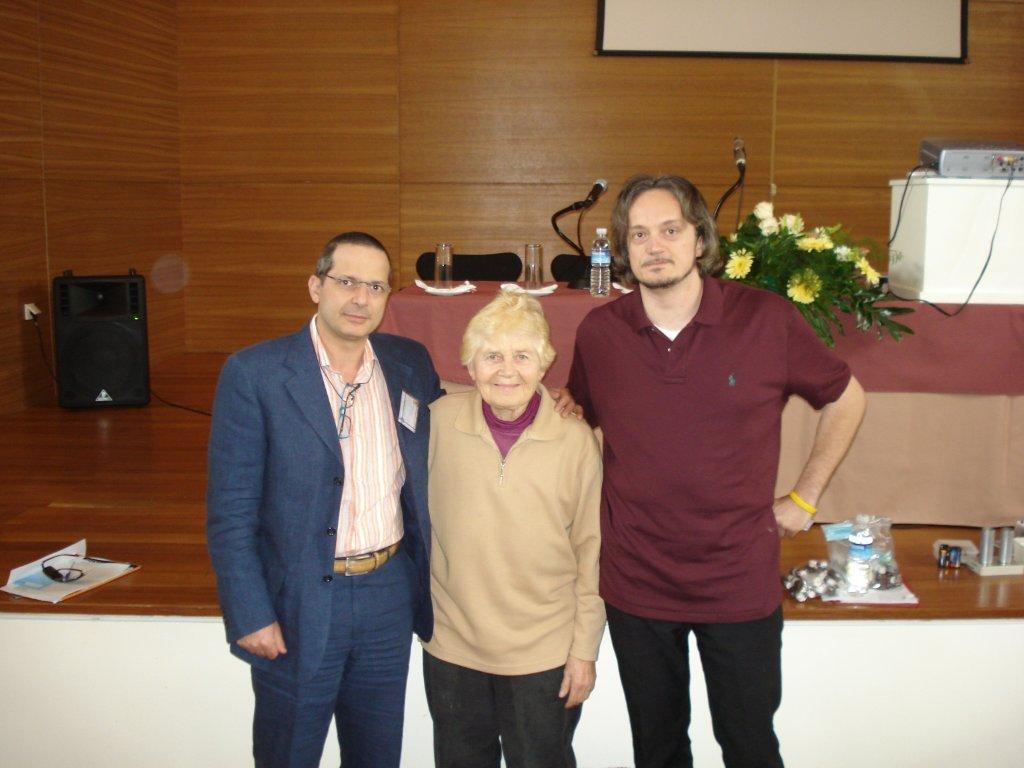
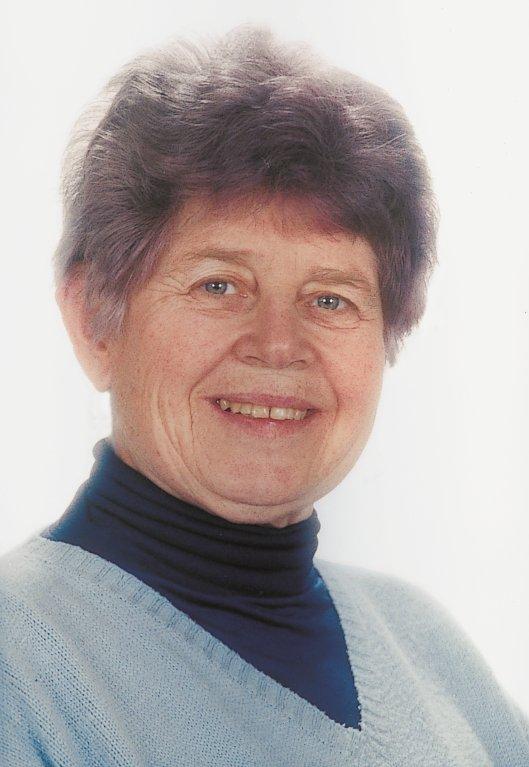
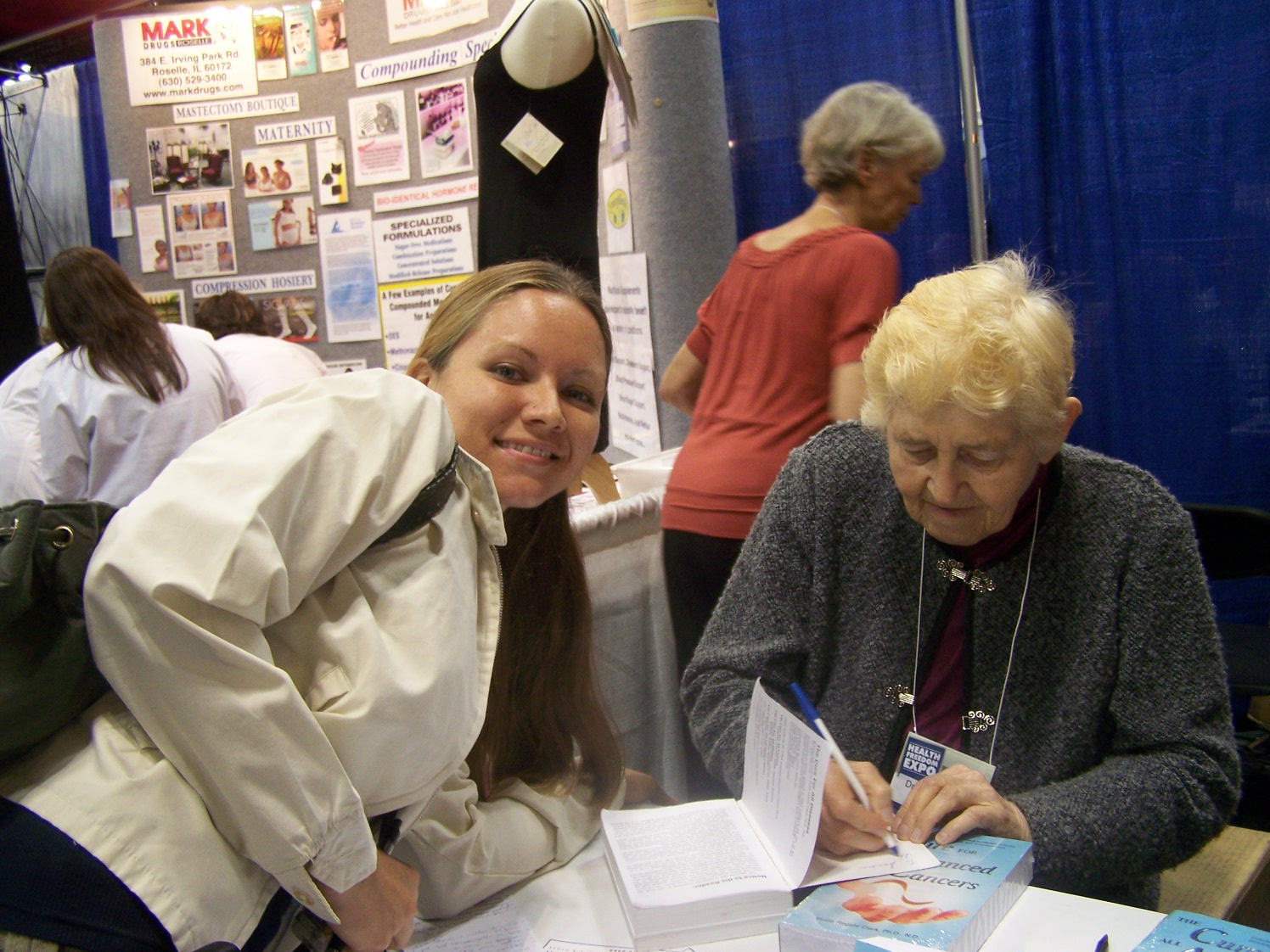
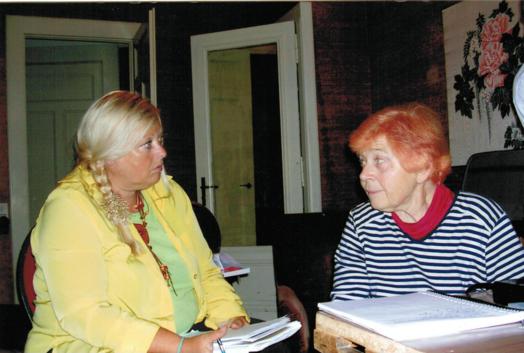
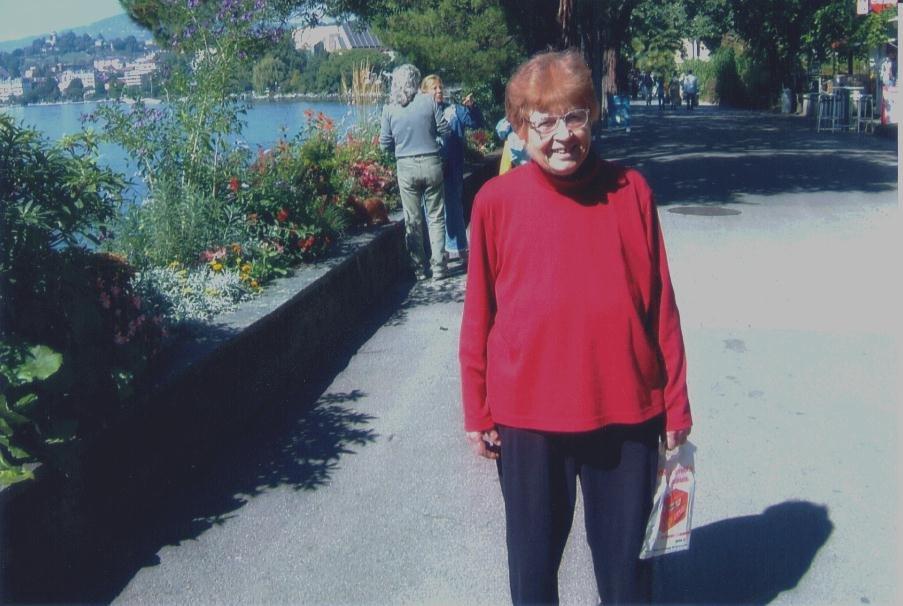
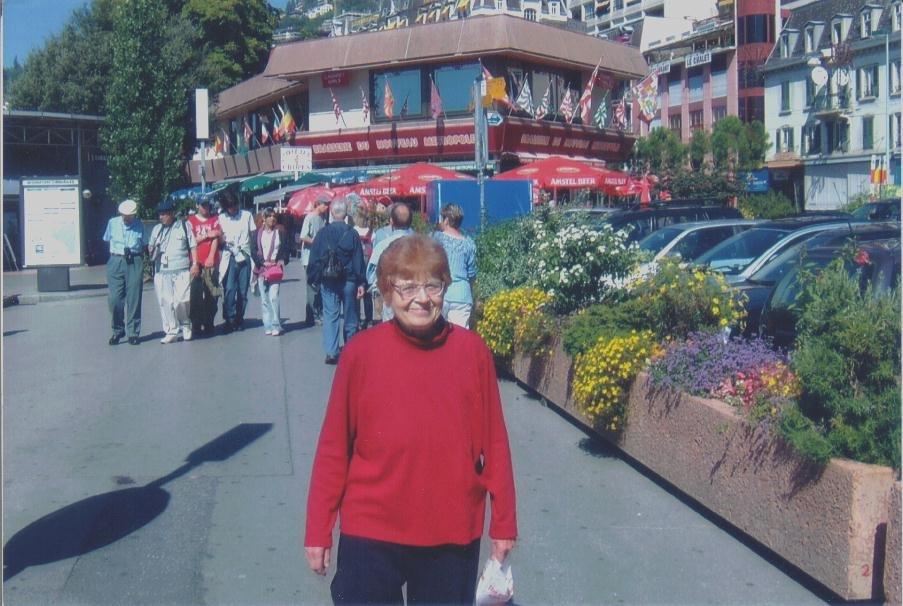
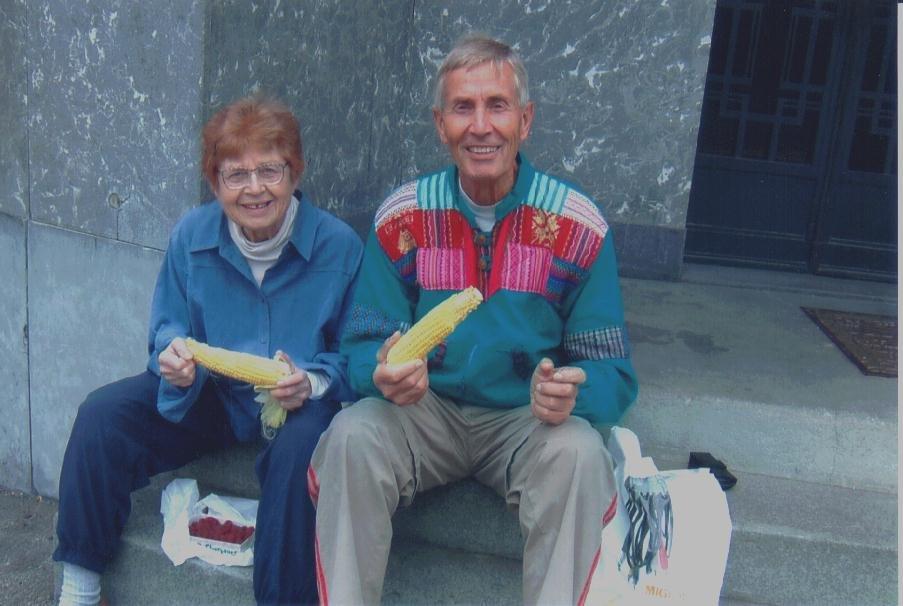
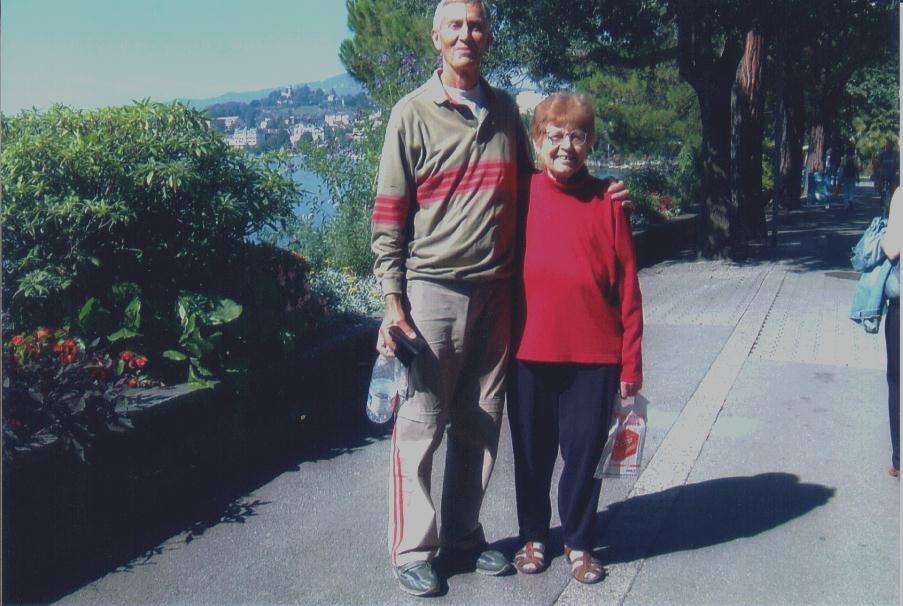
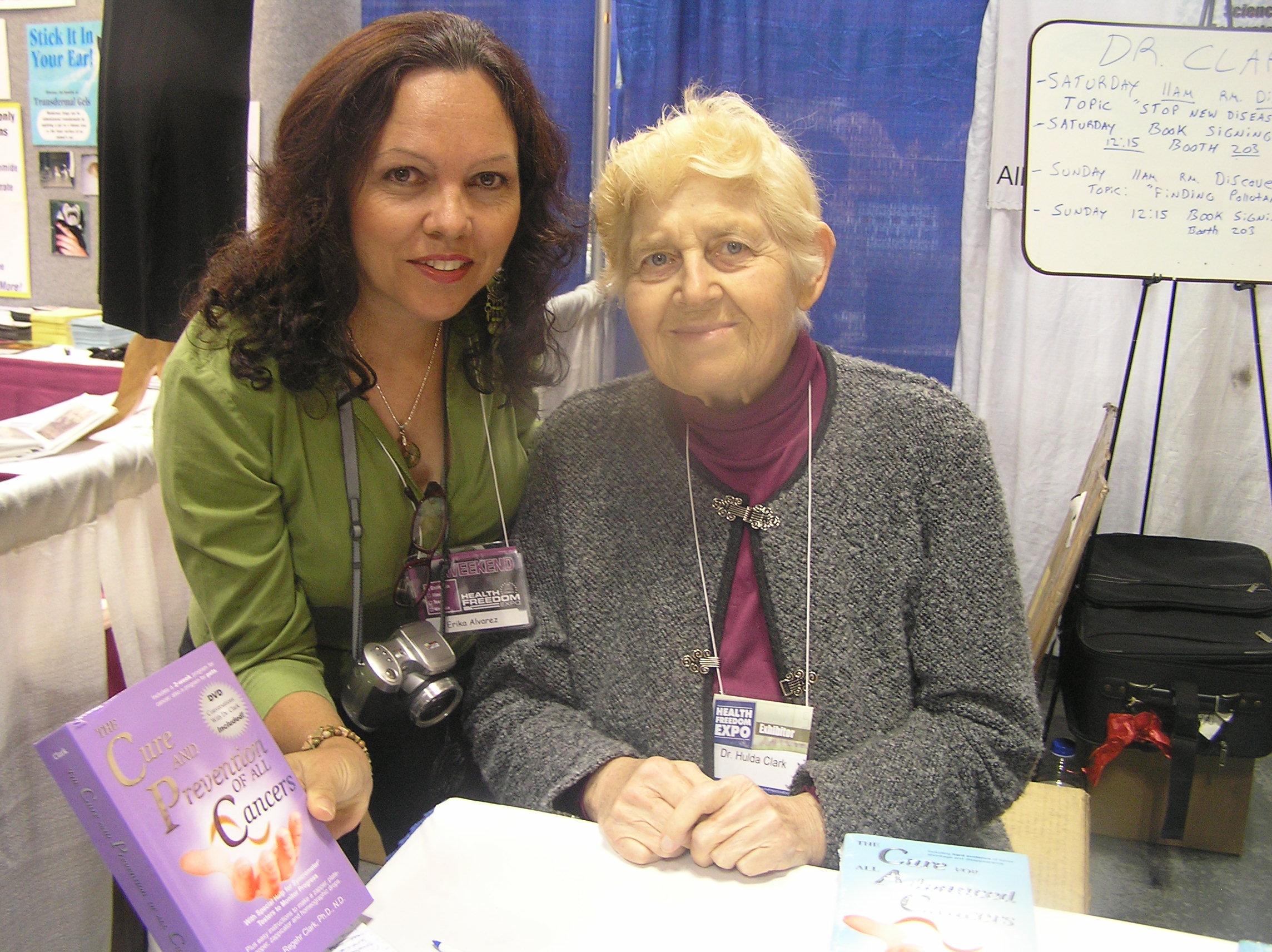
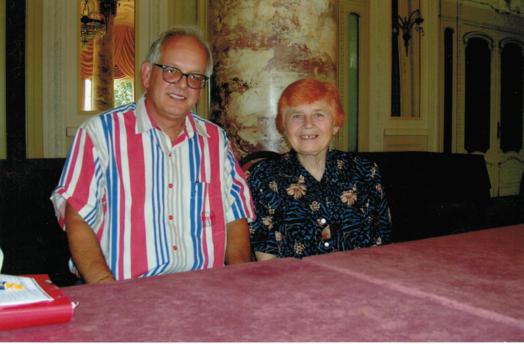
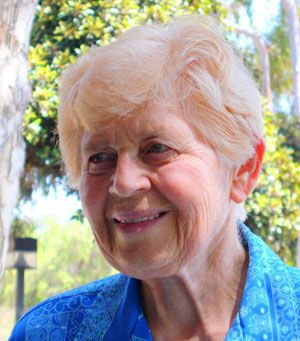
Photographs from the existing collection
The following gallery comes from the existing biography page. It documents its images and does not substantiate medical claims in earlier texts.