


At a glance
- Core concept: three separate herbal preparations.
- Historical idea: Clark assigned them different parasite life stages.
- Structure: an initial plan followed by a distinct maintenance phase.
- Additional ingredients: the earlier text mentions ornithine and arginine alongside the herbs.
- Further reading: the basic plan and intensive special protocols are distinct source versions.
The three herbal ingredients
Black walnut hulls: plant and preparation
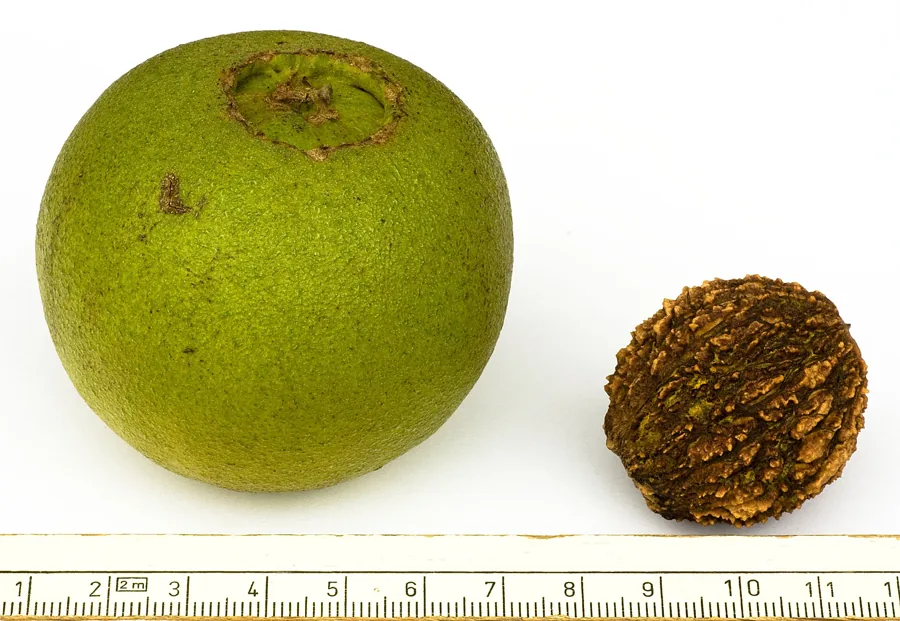
The collection names the American black walnut, Juglans nigra: its green fruit hulls and the tincture described from them. The website uses several names for black walnut interchangeably.
The source lists juglone, tannins and iodine and links green hulls to traditional use by Indigenous peoples of North America. These details document the earlier account; the precise preparation and composition require separate assessment.
Clark assigned the tincture a role against adult parasite stages. Later passages linked colour, opening a bottle and storage to supposed efficacy. These claims belong to specific recipe versions and product descriptions; they do not identify a present-day preparation unambiguously.
Wormwood: a separate ingredient and table column
Wormwood is identified as Artemisia absinthum. The historical version describes capsules and assigns them different life stages from the black walnut tincture. The earlier text also discusses digestion, stomach acid, bile and bloating.
Plant name, preparation and its own plan column are essential. Capsule count alone says little: fill weight, plant part and extraction must match the source. The collection also names restrictions for pregnancy, breastfeeding and young children; an adult plan is therefore not a child’s plan.
Cloves: distinguish the source from the product form
The third plant appears under the older botanical name Eugenia caryophyllata. Clark assigned cloves to the eggs, explaining the combined use of all three ingredients.
The site distinguishes clove capsules from ground culinary spice. Its blanket dismissal of kitchen cloves is a source claim. Comparing sources requires identifying the intended preparation; present-day products cannot be equated by name alone.
Why Clark combined three ingredients
Clark viewed adults, developmental stages and eggs as a connected cycle. She thought the combination should address several stages at once, using separately supplied ingredients together.
This explains the repeated emphasis on interaction in the earlier overview. This page explains that idea together, so the practical adult plan need not repeat the full account.
The broad claims about eliminating numerous parasite species are Clark’s historical positions. They explain the method’s name, not a present-day confirmation of universal treatment success.
Basic plan, maintenance and intensive version
| Version in the collection | What it describes | Where to read more |
|---|---|---|
| Basic adult plan | Timed introduction with separate information for the three plants | Adult plan |
| Maintenance program | Later weekly phase, justified in the source as preventing reinfection | Adult plan: maintenance phase |
| Intensive parasite cleanse | Separate text with different quantities, tighter timing and disease-related explanations | Historical reading after assessment |
The intensive version is not an automatic next step. Its cancer references and apricot kernel recipe in particular remain subject to separate source assessment.
Ornithine and arginine: supplementary information
Ornithine and arginine are not among the three herbs. The site adds them with a reference to “Burgersteins Handbuch Nährstoffe”, linking ornithine to evening and sleep and arginine to daytime. Its explanations about ammonia, liver, immunity and tumour growth belong to the historical text and must be distinguished from the herbal combination.
There are therefore two levels: the basic herbal plan and additional claims about amino acids. The adult page places these details in their respective parts of the plan.
Compare source versions
The main page cites “The Cure for all Cancers”, p. 11 ff., for the basics and “The Cure for All Diseases”, p. 338 ff., for the overview table. It cites “The Prevention of all Cancers”, p. 246 ff., for the intensive version. The adult page sometimes uses different books and pages.
These references come from the website. An exact citation requires the title, language, edition and page to match. Use the books overview as a starting point and the historical collection for further historical reading.
Context and unresolved application questions
The surviving concept answers a question about historical methods. Suspected parasite infections instead require targeted medical assessment; the CDC explains different diagnostic approaches. Earlier assurances of no side effects or interactions are not adopted. Quantities, preparations and suitability require professional assessment.
Frequently asked questions
Which ingredients make up Clark’s parasite cleanse?
The historical basic combination is black walnut hull tincture, wormwood and cloves. Ornithine and arginine are supplementary source details.
Where is the adult guide?
The separate adult page explains preparation, table structure and maintenance, including which details require checking before use.
Is the intensive version simply a longer basic plan?
It changes quantities and explanations and contains separate special protocols. The versions remain documented separately.
Is there a plan for children here?
These pages cover the historical adult concept. The collection already names restrictions for wormwood; no child’s plan is derived from it.
Related topics and orientation
Explore the historical herbal version
Another historical account with plant names, product context and its own table is available in the historical herbal source version. The archive overview places other earlier versions in their separate contexts.