Historical source description. This page places Clark’s historical approach in context. It is not current medical dosing or treatment guidance and does not establish efficacy or safety.
At a glance
- The old text prepares two liquids separately and later combines them in the daily schedule.
- Black cherry concentrate, goldenrod and supplements accompany the roots.
- The intensive version has similar starting ingredients but different supplement tables.
- Amounts, plant identity, duration and storage require professional review.
The root mixture and plant names
| Name in the old text | What needs clarification |
|---|---|
| Hydrangea root, with “Arborescens” added | The botanical reference is incomplete; species and plant part need clarification |
| Marshmallow, Althaea officinalis | The source associates this plant with the root mixture |
| Gravel root, Eupatorium purpureum | Do not equate the German common name, botanical name and a modern product without checking |
Clark linked this selection to historical urinary tract and stone uses. The old text assigns effects to each plant. These claims explain the source’s composition; current ingredient assessment is separate.
Other components
Black cherry concentrate and goldenrod
Black cherry concentrate is used in the root preparation; goldenrod appears later as a tincture in the daily plan. An initial ingredient differs from a supplement added later.
The source also gives an allergy warning for goldenrod. Exact preparation, product details and individual suitability require clarification.
Parsley as a second preparation
Parsley is described separately, with its own washing, cooking and storage. The two preparations are only brought together in the daily schedule.
Ginger, bearberry, vitamin B6 and magnesium oxide
These four substances have an additional table, with entries assigned to meals. The website links them, among other things, to its ideas about methylmalonate and oxalate stones.
Distinguish plant amounts, preparations, products and substances. A capsule count alone does not specify composition.
Structure of the historical instructions
1. Soaking and processing roots
The first version describes soaking, processing with concentrate, straining and dividing the stock. This preserves the link between starting material and resulting preparation.
2. Processing parsley separately
The second preparation has its own amounts, washing and cooking details. It is not another step of the root decoction. Keeping them separate avoids accidentally creating a new combined recipe.
3. Matching the daily plan and supplements
The old account combines the liquids with goldenrod and supplement tables, including distribution through the day and sensitive-stomach notes. These practical topics remain; amount changes require checking the original.
4. Comparing stock, reuse and duration
The text covers refrigeration, freezing, reheating and reusing roots. It describes several weeks, new preparations and later repetition. The claimed re-sterilisation does not establish verified storage life.
Basic and intensive versions
| Comparison point | Shared core | Difference in the collection |
|---|---|---|
| Plant preparations | Root mixture and parsley | Repeated description of similar recipe parts |
| Supplementary substances | Ginger, bearberry, vitamin B6, magnesium oxide | Different entries by meal |
| Timing | Several-week sequence | Additional claims about serious problems and longer use |
| Theory of action | Kidneys, urinary tract and substance excretion | Expanded lists of substances supposedly removed |
The intensive version is not presented as a necessary escalation. The separate source versions remain identifiable below.
Background and historical claims of effects
The old collection links the program to stones, bacteria, pollutants and fluid retention. The intensive version also describes kidney quantities and functions. These background figures are not adopted unchecked as current medical facts.
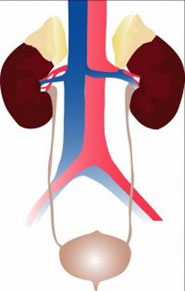
Understanding the method requires knowing the role Clark assigned to kidneys in her overall concept. Connections to other topics appear in the cleanse programs overview.
Unresolved points before any version intended for use
Plant identity, products, amounts, B6/magnesium details, duration, individual suitability and food hygiene need assessment against the full originals. Existing treatments are not changed on the basis of a historical recipe.
The website cites “The Cure for All Advanced Cancers” for the basic version and “The Cure and Prevention of All Cancers” for the intensive account. The books overview helps compare sources; further material belongs in the historical collection.
Frequently asked questions
Why are there two preparations?
The source describes roots with concentrate and parsley separately. Their steps and stocks therefore remain distinct.
What distinguishes the intensive kidney cleanse?
Starting ingredients are similar, but supplement tables and claims about use differ. This presentation makes those differences visible.
Can the old storage instructions be adopted?
A historical claim about reboiling establishes neither current storage life nor sterility. This needs separate hygiene assessment.
Historical preparations and separate tables
The following tables document the historical versions, retaining amounts, empty cells and different meal assignments. They are not current intake recommendations or evidence of hygiene or safety.
Basic version: two preparations
| 1st preparation: | |
|---|---|
| ½ packet root mixture; 10 cups cold tap water (2.5 litres) | soak the roots for at least 4 hours or overnight |
| Add: | |
| 8 oz. black cherry concentrate (240 ml) | bring to a boil and simmer for 20 minutes |
| pour through a stainless-steel sieve into an HDPE container; refrigerate and freeze |
| 2nd preparation: | |
|---|---|
| 4 bunches fresh parsley; 1 quart water (1 litre) | 2 hot washes; boil for 5 minutes |
| refrigerate one pint and freeze one pint (0.5 l) |
The text combines daily 180 ml root preparation, 120 ml parsley preparation and 20 drops goldenrod for three weeks. Its ingredients list specifies half a cup of each root, 240 ml concentrate, 30 ml goldenrod, ginger and bearberry at 500 mg, B6 at 250 mg and magnesium at 300 mg. These are historical product references, not confirmation of modern products.
| Ginger | Bearberry | Vitamin B6 | Magnesium oxide | |
|---|---|---|---|---|
| Breakfast | 1 | 1 | 1 | |
| Lunch | ||||
| Dinner | 1 | 2 | 1 |
Intensive version: separate supplement table
| 1st preparation: | |
|---|---|
| ½ packet root mixture; 10 cups cold tap water | soak the roots for at least 4 hours or overnight |
| Add: | |
| 8 oz. black cherry concentrate | bring to a boil and simmer for 20 minutes |
| pour through a stainless-steel sieve into an HDPE container; refrigerate and freeze |
| 2nd preparation: | |
|---|---|
| 4 bunches fresh parsley; 1 quart water | 2 hot washes; boil for 5 minutes |
| refrigerate one pint and freeze one pint |
| Ginger | Bearberry | Vitamin B6 | Magnesium oxide | |
|---|---|---|---|---|
| Breakfast | 2 | 2 | 1 | |
| Lunch | 2 | 2 | ||
| Dinner | 2 | 2 | 1 |
The intensive version shares the starting preparations but increases certain supplement entries. The tables are not instructions to increase a version or combine both.
Stock and repetition in the old text
The source mentions reboiling after four days and reusing roots after 13 days with six cups water and ten minutes’ boiling, followed by eight more days. Later it mentions six weeks or longer. Its claims of re-sterilisation and results are not adopted as current storage or effect guarantees.
The historical kidney description mentions blood pressure, erythropoietin, acid–base balance and plasma volume. Its quantity comparisons and claims of removing methylmalonate, heavy metals, asbestos, radioactivity, oil, plastic and rubber belong to that historical model, not confirmed medical effects here.
Illustration from the previous article